You take your child to the forest. No toys. No screens. Just “a quick walk.”
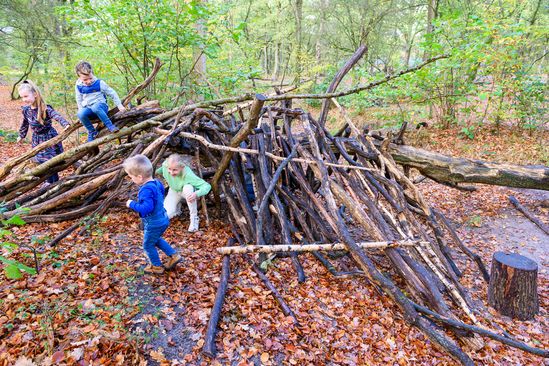
Ten minutes later, they’ve found a stick. Then a fallen tree becomes a bridge. A rock turns into a seat, a lookout, a treasure.
An hour passes — and you realize something remarkable: No one asked for a phone. No one was bored.
This is the quiet power behind the benefits of outdoor play in nature. And in 2026, when childhood is more scheduled and digital than ever, that power matters.
Moving the Way Bodies Were Meant to Move
Nature doesn’t tell kids how to play.
There’s no slide saying “go here,” no instructions, no rules. A child decides whether to climb, crawl, jump, or balance.
Uneven ground challenges muscles in ways smooth floors never do. Roots test balance. Slopes build strength. A simple walk becomes a full-body workout without feeling like one.
Studies consistently show that children move more — and for longer — in natural environments. But you don’t need a study to see it. Just watch a child run freely between trees.
Calm Without Being Told to Calm Down
Many parents notice it almost immediately: Children become quieter in the forest.
Not silent — but calmer.
Nature lowers stimulation. There are no flashing lights or alerts competing for attention. The brain slows down. Breathing deepens.
For children who struggle with anxiety, big emotions, or focus, forest play often acts like a reset button. They don’t need to “behave better.” They just feel better.
Where Imagination Takes the Lead
In the forest, there’s no correct way to play.
A stick can be:
A sword
A fishing rod
A magic wand
A measuring tool
This open-ended play builds creativity, problem-solving, and resilience. When a bridge collapses, kids rebuild. When a plan fails, they adapt.
These are the same skills we hope they’ll use later in life — learned now, through play.
Social Skills Grow Between the Trees
Watch kids play together outdoors and you’ll see real negotiation in action:
“You go first.”
“Let’s build it together.”
“That’s too high — let’s try another way.”
Without adult-led rules, children learn cooperation naturally. Conflicts happen — and get solved. Leadership emerges. Empathy develops.
Nature creates space for social growth without forcing it.
The Honest Part: Yes, There Are Risks
Forest play isn’t risk-free — and pretending it is doesn’t help parents feel confident.
Tick Bites & Insects
Ticks are a real concern, especially in wooded areas.
Fear shouldn’t stop children from exploring — knowledge should guide them.
Scrapes, Falls, and Muddy Clothes
Nature play often comes with bruises and dirt.
These small injuries teach children:
Body awareness
Risk assessment
Resilience
A scraped knee is rarely the problem we fear — but avoiding all risk can be.
How Parents Can Support Safe Nature Play
You don’t need to hover. You don’t need to disappear either.
Helpful approaches include:
Setting simple boundaries (“stay where I can see you”)
Talking openly about risks
Letting kids test their limits — safely
Trust grows through experience, not control.
Making Nature Part of Everyday Family Life
Outdoor play doesn’t require long hikes or special gear.
It can be:
A weekly forest walk
An after-school park visit
A rainy-day nature scavenger hunt
Consistency matters more than duration. Even short, regular exposure to nature supports long-term wellbeing.
Final Thoughts: The Forest Is Still Enough
In a world full of apps, programs, and products promising better childhoods, the forest quietly offers something simple — and powerful.
Movement. Calm. Creativity. Confidence.
The benefits of outdoor play in nature don’t come from perfection. They come from muddy shoes, curious minds, and children trusted to explore.
Sometimes, all it takes is a stick — and time.
Does your child love playing in nature or the forest? What changes do you notice after outdoor time? Share your experience in the comments and inspire other families 🌿