How to Invest in a Volatile World: Diversification, Bonds, Digital Assets & Inflation-Proof Strategies for 2026

Investing in a volatile world has become the new normal. Markets swing faster, inflation feels unpredictable, and global events can move prices within hours instead of months. For everyday investors, this can feel overwhelming — but volatility doesn’t have to be your enemy. In fact, it can become your advantage if you understand how to build a resilient, future-proof investment strategy.

In this guide, you’ll learn how to invest in a volatile world using diversification, bonds, digital assets, and inflation-proof strategies designed for 2026 and beyond.

Why Market Volatility Is the “New Normal”

Volatility is no longer a rare event. It’s structural.

Several forces make markets more unstable than in previous decades:

  • Faster information flow through social media and AI-driven trading

  • Geopolitical tension and economic fragmentation

  • Inflation cycles and aggressive interest-rate policies

  • Technological disruption (AI, blockchain, automation)

  • Climate risks and resource scarcity

Research published in The Journal of Finance and studies by the IMF have shown that global financial markets now react faster and more intensely to news than ever before (IMF Global Financial Stability Reports, 2023–2025).

The key takeaway?
You don’t avoid volatility — you design your portfolio to survive and grow inside it.

The Core Principle: Diversification Isn’t Optional Anymore

If you want to invest in a volatile world, diversification is your foundation.

Diversification works because different assets react differently to the same events. When one goes down, another may rise or stay stable.

A strong modern diversified portfolio includes:

  • Stocks (global, not just local)

  • Bonds (government and corporate)

  • Real assets (real estate, commodities)

  • Digital assets (crypto and blockchain-based investments)

  • Cash reserves

Smart Ways to Diversify in 2026

Instead of guessing the market, focus on structure:

  • Invest across multiple countries and regions

  • Mix large-cap, mid-cap, and small-cap stocks

  • Include defensive sectors like healthcare, utilities and consumer staples

  • Combine growth assets with income-producing assets

Scientific research from Nobel Prize winner Harry Markowitz introduced Modern Portfolio Theory, proving that diversified portfolios reduce risk without reducing long-term returns.

Why Bonds Are Becoming Powerful Again

For years, bonds were ignored due to near-zero interest rates. In 2026, that has changed.

Higher interest rates have made bonds attractive again — not just for safety, but also for real returns.

How Bonds Help You in a Volatile World

Bonds provide:

  • Steady interest income

  • Lower volatility than stocks

  • A stabilizing effect when markets crash

The most useful bond types for 2026:

  • Government bonds (U.S. Treasuries, EU bonds)

  • Corporate investment-grade bonds

  • Inflation-linked bonds (like TIPS)

Research from Vanguard and Morningstar shows that portfolios including 30–40% bonds experience significantly lower drawdowns during financial crises.

Inflation-Proof Strategies That Work in Real Life

Inflation doesn’t just reduce your savings — it silently kills purchasing power.

To invest in a volatile world, you must actively protect your capital from inflation.

Assets That Historically Beat Inflation

Based on research by J.P. Morgan Asset Management and academic studies from Yale:

  • Stocks outperform inflation over long periods

  • Real estate provides inflation-adjusted cash flow

  • Commodities protect during supply shocks

  • Gold acts as a psychological and financial hedge

Practical Inflation Protection Tactics

Use simple structures:

  • Allocate part of your portfolio to real assets

  • Prefer companies with strong pricing power

  • Include inflation-linked bonds

  • Increase exposure to international markets

The “Barbell Strategy”: A Simple Model for Volatile Times

One of the most effective modern investing frameworks is the barbell strategy, popularized by Nassim Taleb.

It works like this:

You split your portfolio into two extremes:

Safe Side (Stability):

  • Bonds

  • Cash

  • Defensive stocks

Growth Side (Opportunity):

  • High-growth stocks

  • Emerging markets

  • Digital assets

This structure gives you:

  • Protection on bad days

  • Explosive upside on good days

Research-backed investing models from behavioral finance show that defined structures reduce emotional decision-making and long-term mistakes.

The Psychology of Investing in a Volatile World

Your biggest enemy is usually not the market — it’s your reaction to it.

Scientific research from behavioral economists like Daniel Kahneman shows:

  • Humans feel losses twice as strongly as gains

  • Panic selling destroys long-term returns

  • Over-trading leads to underperformance

How to Protect Yourself From Emotional Investing

Build systems:

  • Automate monthly investments (dollar-cost averaging)

  • Rebalance your portfolio quarterly or annually

  • Set long-term rules and stick to them

Volatility becomes manageable when your behavior becomes predictable.

Smart Tools That Help You Stay Consistent

To build discipline, use tools that reduce emotional decisions.

Recommended books for deeper knowledge:

The Intelligent Investor by Benjamin Graham

The classic work on investing, filled with sound and safe principles that are as reliable as ever, now revised with an introduction and appendix by financial legend Warren Buffett—one of the author’s most famous students—and newly updated commentaries on each chapter from distinguished Wall Street Journal writer Jason Zweig.

“By far the best book about investing ever written.”—Warren Buffett

BUY NOW

A Random Walk Down Wall Street by Burton G. Malkiel

One of the “few great investment books” (Andrew Tobias) ever written, with 2 million copies in print.

In a time of rampant misinformation about ways of growing your money, Burton G. Malkiel’s gimmick-free investment guide is more necessary than ever. Whether you’re considering your first 401k contribution or contemplating retirement, the fully updated, fiftieth anniversary edition of A Random Walk Down Wall Street remains the best investment guide money can buy.

BUY NOW

Thinking, Fast and Slow by Daniel Kahneman

System 1 is fast, intuitive, and emotional; System 2 is slower, more deliberative, and more logical. The impact of overconfidence on corporate strategies, the difficulties of predicting what will make us happy in the future, the profound effect of cognitive biases on everything from playing the stock market to planning our next vacation―each of these can be understood only by knowing how the two systems shape our judgments and decisions.

BUY NOW

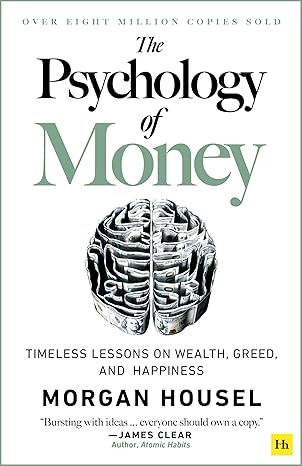
The Psychology of Money by Morgan Housel

Money―investing, personal finance, and business decisions―is typically taught as a math-based field, where data and formulas tell us exactly what to do. But in the real world people don’t make financial decisions on a spreadsheet. They make them at the dinner table, or in a meeting room, where personal history, your own unique view of the world, ego, pride, marketing, and odd incentives are scrambled together.

BUY NOW

A Simple 2026 Portfolio Example (For Modern Investors)

Here’s what a balanced “volatile-world” portfolio could look like:

  • 40% Global stocks (ETFs or diversified funds)

  • 25% Bonds (government + corporate)

  • 15% Real assets (real estate or REITs)

  • 10% Digital assets

  • 10% Cash or near-cash instruments

This kind of structure focuses on survival + growth, not gambling.

Final Thoughts: Volatility Is Not the Enemy

If you want to invest in a volatile world, you don’t need to predict the future — you need to prepare for many futures.

The winning strategy for 2026 and beyond is:

  • Structured diversification

  • Smart bond allocation

  • Controlled exposure to digital assets

  • Real inflation protection

  • Strong emotional discipline

Volatility isn’t chaos.
It’s opportunity — for those who are prepared.

What’s your biggest fear when it comes to investing in volatile markets?
Share your thoughts in the comments — Sophie reads and replies to real experiences, questions, and challenges.

INTERESTING POSTS

Leave a Reply

Your email address will not be published. Required fields are marked *